
Why Rising Diesel Prices Are Pushing the World Toward Solar
As diesel prices surge globally, households, businesses, and entire nations are accelerating their shift to solar energy — not out of idealism, but out of economic necessity.
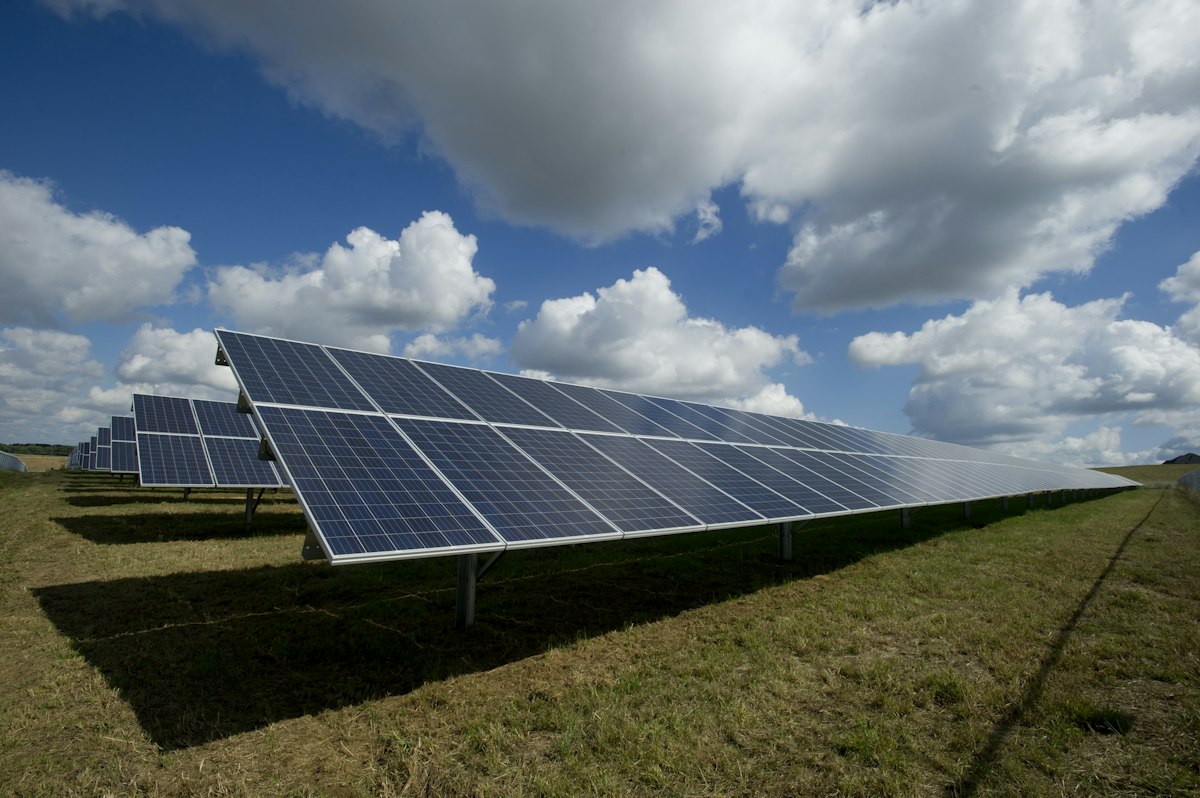
Across the world, a familiar pattern is playing out: diesel prices rise, and solar installations spike. What was once a slow, incentive-driven transition is now being turbocharged by the simple reality that running a diesel generator — or depending on a diesel-heavy grid — has become painfully expensive.
The global diesel price surge
Diesel prices have climbed sharply across multiple regions over the past two years. In Southeast Asia, parts of Africa, and Latin America — regions where diesel powers not just vehicles but homes, farms, and small businesses — the impact has been immediate and severe. In the Philippines, diesel retail prices hit multi-year highs in 2024, pushing electricity costs upward and squeezing margins for small enterprises. Similar stories are playing out in Nigeria, Pakistan, and across Sub-Saharan Africa, where grid unreliability means diesel generators are often the only reliable power source.
The causes are layered: post-pandemic supply chain disruptions, the ripple effects of the Russia-Ukraine conflict on global fuel markets, and OPEC production decisions have all contributed to sustained price pressure with no clear short-term relief.
Solar as the economic alternative
What's changed is the math. Solar panel costs have dropped over 90% in the last decade. Battery storage, once prohibitively expensive, is now within reach for small and medium-sized businesses. In many sun-rich regions, a solar-plus-storage system now reaches payback in 3–5 years — and in some high-diesel-cost markets, even faster.
The International Energy Agency (IEA) reported that 2024 saw record global solar installations, with a significant portion driven not by policy mandates but by businesses and households making straightforward cost decisions. In countries like India and Indonesia, rooftop solar adoption has accelerated sharply among commercial users who previously relied on diesel backup.
Nations responding at scale
Governments are taking notice. The Philippines launched an expanded net metering program in 2024, making it easier for businesses to sell excess solar power back to the grid. Kenya, long dependent on diesel for off-grid communities, is fast-tracking rural solar microgrids. Even in the Middle East — historically an oil-dominant energy region — major solar projects are being fast-tracked as domestic fuel subsidies become fiscally unsustainable.
The European Union has also tied energy security policy to renewable acceleration, with diesel dependency increasingly viewed as both a financial and geopolitical vulnerability following the disruptions of 2022–2023.
The shift in mindset
Perhaps the most significant change is cultural. Solar was once framed primarily as an environmental choice — virtuous but optional. That framing is shifting. Across industries, from agriculture to manufacturing to hospitality, operators are running the numbers and finding that staying on diesel is the risky decision.
Energy analysts are pointing to a tipping point: as solar becomes the default cost-efficient choice in more regions, adoption curves are expected to steepen further through 2026 and beyond.
What this means going forward
The diesel price shock may be temporary — but the solar installations going in right now are permanent. Millions of businesses and households that made the switch under financial pressure will not revert. The long-term trajectory of the global energy mix is being shaped, in part, by fuel price volatility that nobody planned for.
The world is discovering, somewhat reluctantly, that economic pressure can accomplish what environmental urgency alone could not.